Palisade Seller Guide

Palisade scarcity only works when buyers can see what is rare.

Palisade buyers are not only comparing homes. They are trying to understand which version of Palisade the property offers: in-town convenience, orchard or vineyard setting, agricultural utility, view-oriented privacy, or a small-town lifestyle that still works day to day.

Specific scarcity Orchard and vineyard context Lifestyle with utility
Market Read

Scarcity has to be named before it can be priced.

An in-town Palisade home, an orchard or vineyard setting, a rural-edge parcel, and a view-forward property can all be scarce for different reasons. Pricing works better when the listing identifies the exact version of Palisade buyers are responding to.

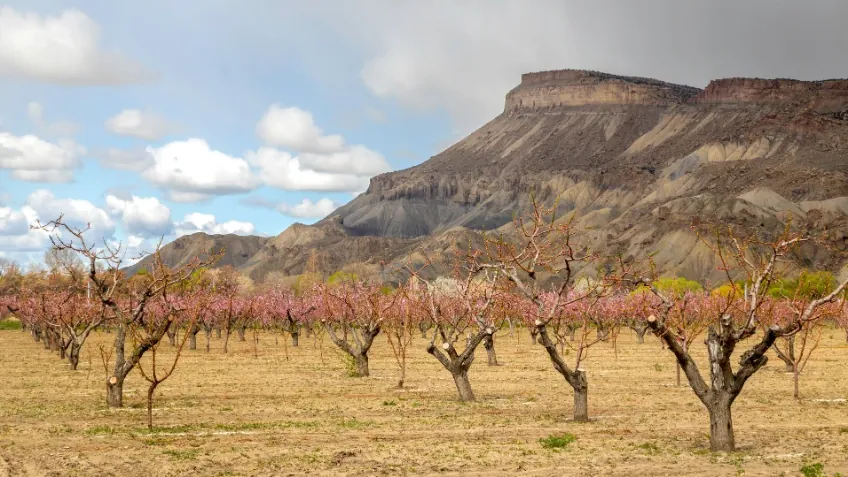
Palisade area landscape with agricultural setting and Mesa County views
Palisade demand is shaped by limited supply, agricultural setting, tourism appeal, views, and whether the property’s lifestyle promise is practical to own.
$549,000Median sale price
74 daysAverage days on market
65Active listings
6New listings

Source: RentCast market data. Last updated: May 15, 2026.

Local Details

For Palisade sellers, the strongest value story usually comes from showing why the property is rare in a way buyers can understand, verify, and use.

Not every Palisade premium comes from the same place.

In-town Palisade can appeal to buyers who want walkability, events, tasting rooms, restaurants, and a quieter small-town base. Those homes need clear positioning around convenience, condition, parking, outdoor space, and how easily the property supports daily life near the center of town.

Orchard, vineyard, and rural-edge properties need a different read. Irrigation, access, land utility, outbuildings, fencing, views, maintenance, and the relationship between the house and the acreage can matter as much as interior finish.

That is why Palisade pricing should not lean on a simple Mesa County average or a broad Grand Junction comparison. Limited supply can strengthen the seller’s position, but only when the list price respects condition, setting, outdoor function, water or land considerations, and the buyer pool most likely to understand the property.

Buyer demand can come from local movers, retirement buyers, second-home shoppers, Front Range relocations, and lifestyle buyers drawn by wineries, orchards, views, and the pace of town. A strong seller strategy clarifies whether the value is convenience, agricultural context, outdoor space, view orientation, or a rare combination of several.

Scarcity matters more when it is specific: the setting, the land, the water or outdoor utility, and the reason this property is hard to replace.